
Gates of Olympus is a Pragmatic Play slot where Zeus drops random multiplier orbs onto a tumbling grid, with wins paid through clusters rather than fixed lines. Our verdict after a full test: it rewards patience over frequency, so dead stretches are the price you pay for the rare big hit. Play Gates of Olympus demo slot online first, then move to real AUD play only once you know how the game behaves.
Gates of Olympus Slot Full Review for Aussie Players
This is a pay-anywhere pokie that ignores reel positions and pays any cluster of 8 or more matching symbols. The maths runs identically whether you spin at A$0.40 or A$20, with the tumble mechanic chaining removals until no fresh win lands. One number worth knowing before you start: the published hit frequency is 28.82%, so roughly three spins in four return nothing.
- No paylines: clusters form in any shape across the six reels, so a group of 8 symbols pays whether it lands bunched or spread over the grid with no line to line up.
- Multiplier ceiling: single orbs reach 500x and add into one running total, the only route to the game’s headline payouts and the reason a quiet spin can turn huge.
- Mobile-first build: the HTML5 engine loads in any browser with no download, and every control stays within thumb reach in portrait for one-handed play on the go.
- Bonus buy: paying 100x the stake skips straight to 15 free spins, buying speed rather than a better edge for impatient players who would rather not grind.
- Iconic Zeus: the god doubles as the scatter, so landing 4 of him anywhere is what opens the feature round that most big sessions are built on.
Beyond those pulls, here is what the marketing skips: the low-tier gems can pay back less than the stake, so eight blue gems return just 0.25x. That maths keeps a session feeling alive while barely denting the bankroll, which is exactly why the demo belongs before any real deposit.
The Story Behind the Game: Zeus, Olympus and Pragmatic Play
Pragmatic Play released this Olympus-themed pokie in February 2021, and it grew into one of the studio’s signature titles within a year. The timing was sharp: it landed just as the tumble-and-multiplier format was taking over, and it now anchors a whole family of spin-off editions. That lineage matters, since the original sets the maths every later version is measured against.

Greek mythology gave the studio a ready-made cast: Zeus rules from Mount Olympus and hurls the multipliers that drive every big result. The theme is more than decoration, because the god who greets you at the reels is the same scatter that opens the bonus — the thunder-and-lightning presentation is a large part of why the game became the face of the whole genre.
How to Play Gates of Olympus Australia: Rules and Mechanics Explained
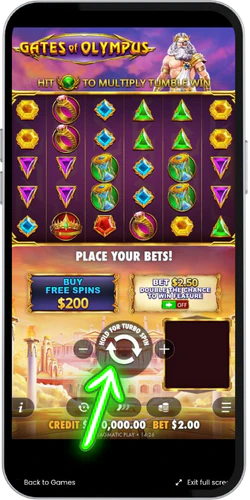
Getting started comes down to setting a stake and spinning, with no lines to study or bet on. This walkthrough follows the mobile interface Aussie players actually see, so each step matches a real on-screen control rather than a menu you have to hunt for.
- Set your total stake:
tap the plus or minus buttons at the bottom of the screen to pick a bet between A$0.20 and A$100 per spin.

- Toggle the Ante Bet:
switch it on to raise the cost per spin by 25% and roughly double the chance of triggering the feature. Note that the Bonus Buy button is disabled while the Ante Bet is active.
- Open the paytable:
tap the menu icon to check symbol values, confirm the 8-symbol minimum and see which RTP version the casino runs before you commit real funds.
- Spin the reels:
press the central spin button, or hold it for turbo mode to speed up each tumble sequence.
- Watch the tumbles resolve:
let winning clusters clear and new symbols drop until a spin ends with no fresh win on the grid.
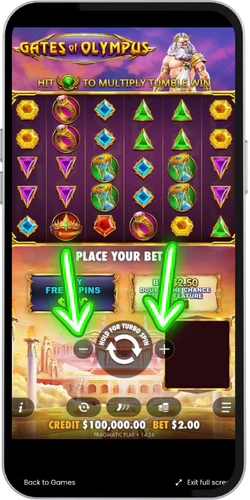
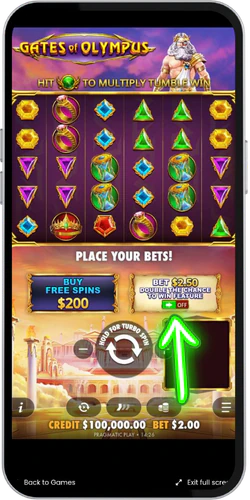
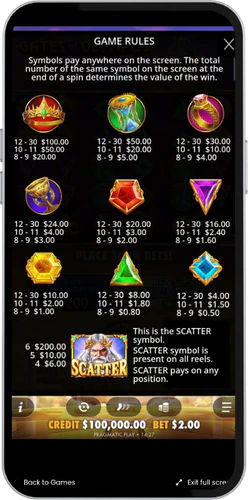
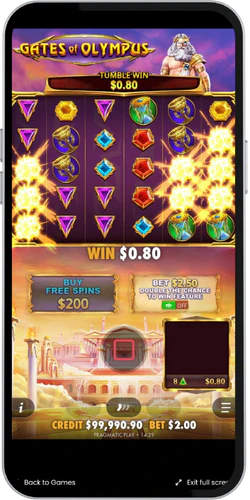
Once the round settles, any multiplier orbs on screen combine and apply to that win before your balance updates. Keep in mind that turbo speeds up the visuals only — the result of each round is fixed instantly the moment the reels lock.
Scatter Pays: Why There Are No Paylines
No paylines exist because the game pays on symbol count alone, not on where symbols sit. Land 8 or more of a kind anywhere and the win registers, so there is no line to chase across the reels. That suits a quick punt on the phone, since there is nothing to configure before you spin.
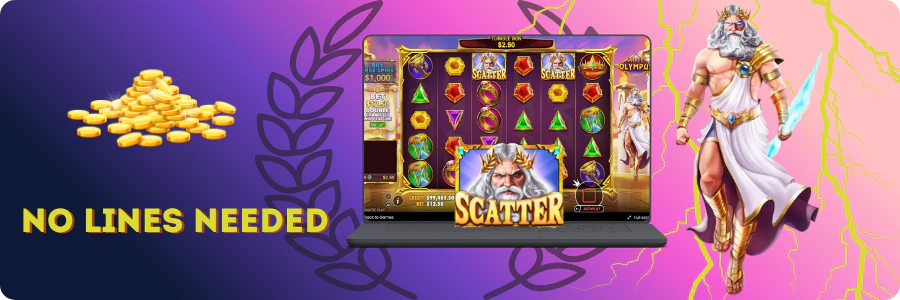
Cluster wins beat line wins on sheer coverage, because a scatter-pays grid counts matches across all 30 positions at once. That is the edge this format holds over older fixed-line machines, where symbols must sit in set spots to pay. Every spin has a fair shot at landing something — even if that something is often a small gem cluster worth under 1x the stake.
The Tumble Feature: Wins That Snowball
Tumbles turn one paid spin into a chain, because every winning cluster clears and fresh symbols drop into the gaps. That refill can pay again, then again, so a single A$1 spin sometimes stacks 3 or 4 wins before it dies out. This is where a flat spin suddenly gets legs.

The snowball peaks when orbs and tumbles fire in the same sequence, since each new drop can add another multiplier to the pile. A long chain gives more chances for those orbs to land, which is why patient sessions tend to out-earn hasty ones. Straight talk though: most tumbles fizzle early, and the monster chains are the rare exception.
Symbols and Payouts Table
Symbols split into three ranks that decide every payout, so knowing them tells you at a glance whether a cluster matters. The crown sits at the top, four themed artefacts fill the middle and five coloured gems make up the bottom, with Zeus set apart as the scatter. Symbol rank beats grid size, since a huge cluster of low gems can still barely cover a spin.
| Symbol | Payouts |
 | 4: x3 | 5: x5 | 6: x100 |
 | 8–9: x10 | 10–11: x25 | 12+: x50 |
 | 8–9: x2.5 | 10–11: x10 | 12+: x25 |
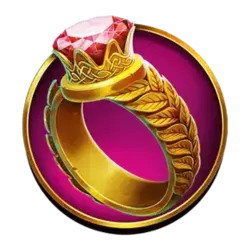 | 8–9: x2 | 10–11: x5 | 12+: x15 |
 | 8–9: x1.5 | 10–11: x2 | 12+: x12 |
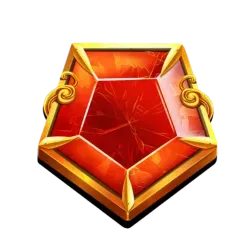 | 8–9: x1 | 10–11: x1.5 | 12+: x10 |
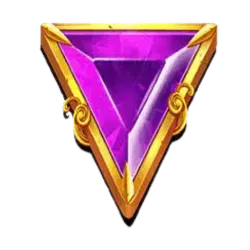 | 8–9: x0.8 | 10–11: x1.2 | 12+: x8 |
 | 8–9: x0.5 | 10–11: x1 | 12+: x5 |
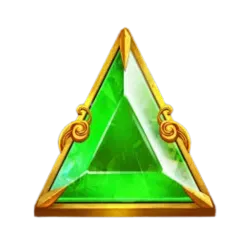 | 8–9: x0.4 | 10–11: x0.9 | 12+: x4 |
 | 8–9: x0.25 | 10–11: x0.75 | 12+: x2 |
Orbs never appear in that table because they multiply a win rather than form one of their own. That gap trips up beginners who go looking for orb values in the paytable that simply are not there. The gems and artefacts build the base win, then the winged orbs raise it — read the two as separate halves of the game’s maths.
Gates of Olympus RTP, Volatility and Max Win: The Numbers That Matter
The numbers decide whether this pokie fits your bankroll, so they belong up front before any spin talk. High volatility is the headline: wins come rarely but land hard, which rewards a deeper balance and a cool head. A thin bankroll can bleed out fast even with the friendly long-run RTP cushioning the maths.
| Metric | Figure |
| 🎯 RTP | 96.50% (default; 95.51% and 94.50% versions exist — check in-game) |
| 🌪️ Volatility | High |
| 🎰 Grid | 6 reels, 5 rows, pay-anywhere |
| 💰 Max win | 5,000x the stake |
| 🎲 Max win odds | About 1 in 718,000 spins |
| 💵 Bet range | A$0.20 to A$100 per spin |
RTP describes the long run, not your night, so that headline percentage means little over a short session. Across millions of spins it holds roughly steady, yet any single arvo of play can run far above or well below it. The percentage is house math, not promise — and with a maximum win of 5,000x, the paytable matters just as much as the headline RTP. Since operators can run the 95.51% or 94.50% build, the paytable inside the game is the only place to confirm which version you are actually playing.
What 5,000x Max Win Means in Australian Dollars
Multiplying your stake by 5,000 turns small bets into headline sums, which is the appeal that pulls players to this cap. The table below converts it into plain AUD, so you see real dollar figures instead of an abstract multiple. The odds are brutal, though, and the ceiling sits a very long way from the likely result.
| Your Stake | 5,000x Max Win |
| 🪙 A$0.20 | A$1,000 |
| 🪙 A$1 | A$5,000 |
| 🪙 A$5 | A$25,000 |
| 🪙 A$20 | A$100,000 |
| 🪙 A$100 | A$500,000 |
Hitting that ceiling is a lightning strike, not a target you aim for, so treat it honestly rather than as bait. At published odds of about 1 in 718,000 spins, a max-win event takes years of continuous play on average. Chasing the top prize burns bankrolls, while the steady mid-size hits are what keep casual sessions alive.
Bonus Features: Free Spins, Multiplier Orbs, Ante Bet and Bonus Buy
Four features carry this pokie, and together they turn a flat base game into the rounds where the real money is decided. They interlock: the orbs feed the free spins, while the ante bet and the buy are just two doors into that same room. The bonus round is where the overwhelming share of big results comes from — that is the one takeaway to hold onto before anything else.
Zeus’s Multiplier Orbs (x2 to x500)
Orbs decide the size of nearly every big win, since they land at random and apply a multiplier to whatever you just won. Each winged sphere carries its own value, drawn anywhere from a modest 2x up to a session-defining 500x. Treat these orbs as the real prize, not the gem clusters they attach to.

Base-game orbs reset the moment a tumble sequence ends, so their power lasts only as long as the current chain. Two orbs landing together add up first, then apply as one combined figure to that win before they clear off the grid. The top orb is a genuine rarity — most orb spins land under 20x, which is the reality worth keeping in mind.
Free Spins Round: How Multipliers Accumulate
Accumulation is the whole point of free spins, because orb values stick around here instead of resetting each spin. Every orb that lands on a winning tumble feeds a running total that carries across the round. An early multiplier lifts every later win, which is the single biggest edge the feature offers.
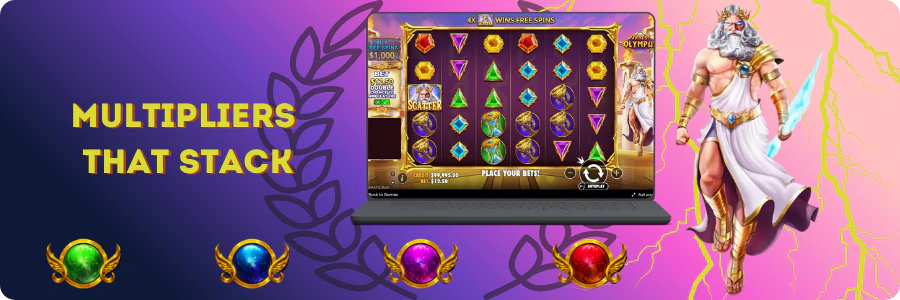
Retriggers extend the round: landing 3 more scatters during the feature adds another 5 free spins, with no cap on how often that can happen. A typical run still ends modestly — bonus rounds tend to pay either a moderate 30–80x or, far more rarely, an explosive multiple when the multipliers stack. The accumulation sounds unstoppable, yet a dead streak of low-orb spins can leave the total barely moving.
Ante Bet vs Bonus Buy: Which Is Worth It?
Your budget decides the answer here. The ante bet lifts each spin by 25% for roughly double the trigger odds, while the buy demands 100x up front — and note the two are mutually exclusive, since the buy button is disabled while the ante bet is switched on. For anyone who prefers to spread cost across spins, the ante is the gentler door.
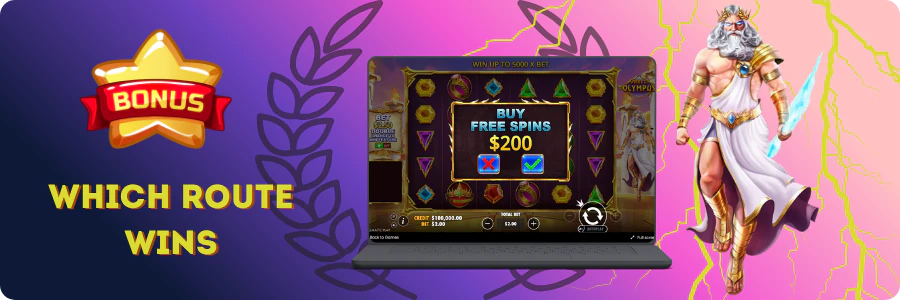
The buy suits deep pockets, not a casual punt, since a purchased round runs on the same maths as a natural one and only buys speed. Two flat bought rounds can sink 200x fast with nothing to show for it.
Our 500-Spin Test: What Really Happened When We Played
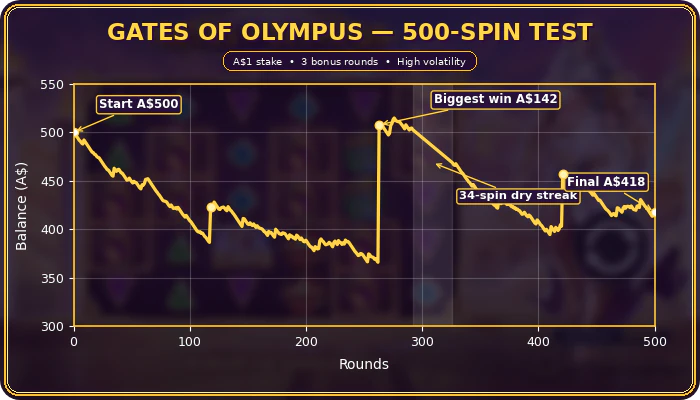
We ran this session so you never have to guess how a real bankroll behaves over a long sit. Our tester loaded a set budget at a flat stake and spun until the count ran out, logging every bonus and dry patch. The run played out flat with sharp spikes, which is exactly the shape the maths predicts.
| Test Metric | Result |
| 🌀 Spins played | 500 |
| 💵 Stake per spin | A$1 |
| 🏦 Starting balance | A$500 |
| 🎁 Bonus rounds triggered | 3 (no ante bet) |
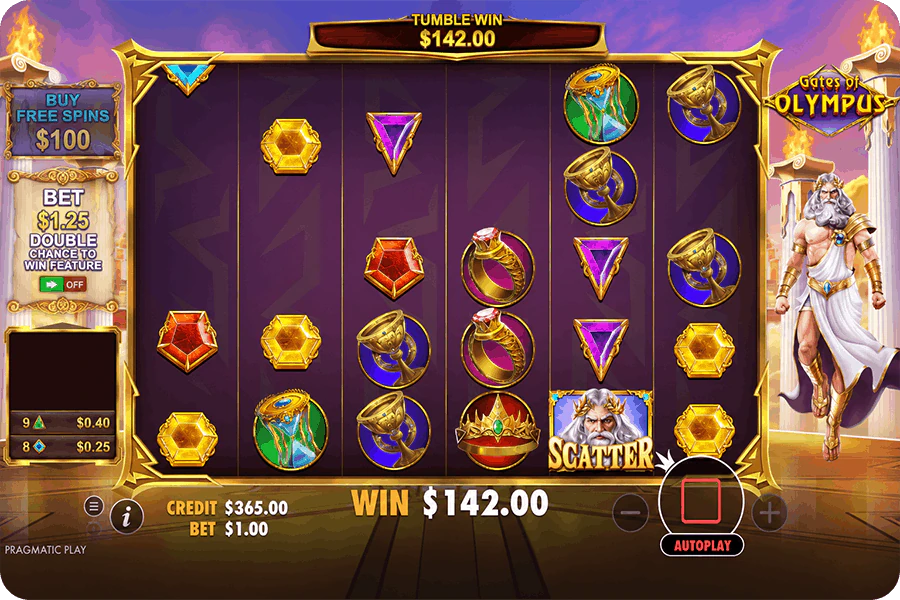
| 🏆 Biggest single win | A$142 on a free-spins tumble |
| 🏜️ Longest dry streak | 34 spins with no win |
| 💳 Final balance | A$418 |
The takeaway backs the theory: the budget drained slowly, then clawed part of itself back in one bonus spike. That swing is exactly the variance the maths promises, since the quiet losing spins bled more than the wins visibly returned. In a high-volatility game most sessions close in the red — bring a buffer big enough to outlast the flat run before a spike lands, and treat any session that finishes ahead as the exception rather than the plan.
Gates of Olympus Real Money: How to Switch from Demo to AUD Play
Switching to real money is a short checklist, and the order matters more than most players think. Follow it in sequence and the move from free spins to funded play happens without a wrong turn that costs time or money.

- Check the operator carefully: confirm which licence it holds, how it handles AUD banking, and that this pokie actually sits in its lobby before you hand over a cent. See the legal section below for how Australian law treats these sites.
- Register your account: enter your name, email and address, confirm you are 18 or older, then verify your email to open the wallet.
- Verify your identity: upload your photo ID and proof of address early to avoid a processing delay at your first cashout.
- Deposit in AUD: fund the account by PayID, Visa, Mastercard or crypto; check any fees and processing times in the cashier before confirming.
- Set your limits: cap your daily deposit in the responsible-gambling menu to keep every session inside the budget you set yourself.
- Load the game: search the lobby, open the pokie, and switch the stake selector from demo credits over to real dollars.
Once real funds sit in the wallet, complete identity checks early rather than at your first cashout, since verification is where slow payouts usually start. A KYC done up front means a win leaves your account in hours instead of days.
Gates of Olympus vs Olympus 1000 vs Super Scatter: Which Version to Choose?
Your appetite for risk picks the version, since the three share a theme but split hard on ceiling and payout style. The table lines them up so you can weigh the raw numbers instead of the near-identical artwork. The original is the sensible default pick for most players; the wilder editions exist for those chasing a bigger top-end.
| Version | Key Numbers |
| ⚡ Gates of Olympus (original) | Orbs to 500x, max win 5,000x, RTP 96.50% |
| 🔥 Gates of Olympus 1000 | Orbs to 1,000x, max win 15,000x, RTP 96.50% |
| 💥 Gates of Olympus Super Scatter | Scatter symbols carry multipliers, max win 50,000x, RTP 96.50% |
Bigger ceilings come at a steep cost, because the 1000 edition pushes volatility even higher than the original to fund that larger prize. Rarer prizes, longer waits — a trade that rarely suits a casual player. Match the pick to your bankroll, not your daydream, when weighing the original against its spin-offs.
Mobile Experience: Playing on the Go
Mobile play loses nothing against desktop, and that parity is the first thing players ask about. Portrait mode fits the reels, stake selector and paytable onto one screen, while turning the phone sideways widens the grid for those who want the symbols larger. The maths runs identical across devices — the RNG sits server-side, so the odds never shift between a cheap handset and a flagship.
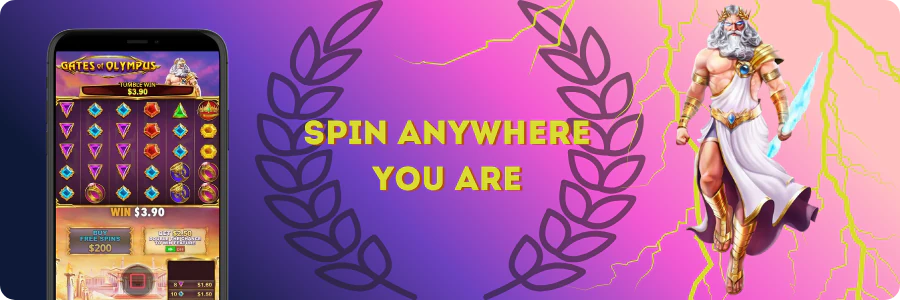
Data and battery stay light, since each session streams compact HTML5 assets rather than downloading a heavy client — a standard monthly data plan handles plenty of play without a dent. There is no separate app to install, and no download is needed on either Android or iPhone.
Is It Legal to Play Gates of Olympus Pokie in Australia?
The Interactive Gambling Act 2001 targets operators, not players: an individual Australian committing to a spin is not committing an offence. The other side of that coin is worth knowing too — the same Act makes it unlawful for online casinos to offer real-money pokies to people in Australia, so offshore sites accepting Aussie sign-ups operate outside Australian authorisation, and ACMA regularly blocks such sites. That means no Australian regulator will help you in a dispute with an offshore operator, so vet payment terms and reputation carefully before depositing, and remember play is strictly 18+.
Gambling should stay entertainment. Set deposit limits before you play, never chase losses, and only spend what you can afford to lose. If gambling stops being fun, free and confidential support is available 24/7 from Gambling Help Online or by calling 1800 858 858.